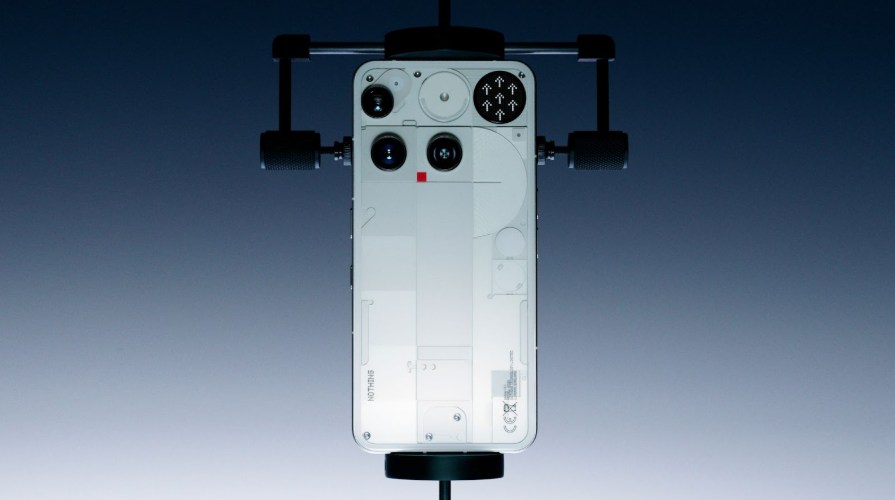
The Phone 3 breaks the mould with a layered glass design and an integrated rear display that delivers alerts and mini apps to the back of the device. It pairs a bright 6.67-inch OLED screen with a mid-range Snapdragon 8s Gen 4 chip that can smoothly handle everyday tasks and different games like Lucky Pays to offer smooth everyday performance while keeping costs in check.
A 5 500 mAh silicon carbon battery provides two‑day endurance and fast charging, including wireless and reverse wired options. The triple 50 MP camera array captures solid shots in most situations, though fine detail can fall just short of top‑tier rivals.
Nothing OS brings polished animations, customisable glyph alerts and AI‑driven search tools without forcing features on the user. Priced at £799, the Phone 3 blends bold design flair with practical strengths to make its mark among the competition.
Design and build
The Nothing Phone 3 stands out at first sight. Its layered glass back draws attention with two rings around the main camera lenses. The phone feels light in the hand but solid. Bezels remain even around a large screen. This model avoids a bump on the camera array by embedding the optics into the board. The rear display has 489 LED pixels. It serves basic alerts face down and offers simple mini apps.
Key features list
| Feature | Nothing Phone 3 | Galaxy S25 | Pixel 9 |
|---|---|---|---|
| Price | £799 | £799 | £799 |
| Processor | Snapdragon 8s Gen 4 | Snapdragon 8 Elite | Google Tensor G4 |
| RAM | 12 GB / 16 GB | 12 GB | 8 GB |
| Storage | 256 GB / 512 GB | 256 GB / 512 GB | 128 GB / 256 GB |
| Screen | 6.67″ OLED 120 Hz | 6.2″ OLED 120 Hz | 6.3″ OLED 120 Hz |
| Front glass | Gorilla Glass 7i | Gorilla Glass Victus 2 | Gorilla Glass Victus 2 |
| Rear cameras | 50 MP main + 50 MP tele + 50 MP ultra wide | 50 MP + 10 MP + 12 MP | 50 MP + 48 MP + 12 MP |
| Battery | 5 500 mAh | 4 800 mAh | 4 500 mAh |
| Fast charging | 65 W wired, 15 W wireless | 45 W wired, 15 W wireless | 30 W wired, 12 W wireless |
| IP rating | IP68 | IP68 | IP68 |
Screen qualityThe screen measures 6.67 inches corner to corner. It uses OLED tech. Colours remain true under direct light. Brightness peaks at 4 500 nits with HDR. Outdoors it reaches 1 600 nits. The refresh rate changes between 30 and 120 Hz. This choice helps battery life. Touch sampling runs at 1 000 Hz for quick feedback. PWM dimming at 2 160 Hz cuts flicker.
Performance and speed
Nothing chose the Snapdragon 8s Gen 4 chip. It sits just below the 8 Elite. The speed boost from last year’s model is clear. CPU power rose by about 40 per cent. GPU performance nearly doubled. In daily use the phone stays smooth. Heavy games run well too. Peak performance trails top chips but few will notice in normal tasks.
Memory and storage options
– Standard: 12 GB RAM with 256 GB storage
– Upgraded: 16 GB RAM with 512 GB storage
Fast LPDDR5X RAM and UFS 4.0 storage help load times. No 8 GB variant is offered. That may limit choice for some buyers.
Battery life
The silicone carbon cell has a true capacity of 5 500 mAh. Standby draw is low. Moderate use yields over a day of work. Light use can stretch to two days. Charging hits 65 W via cable. Wireless charging at 15 W also works. Reverse charging suits earbuds or a watch.
Camera system
Nothing equips this model with three 50 MP sensors. The main lens has a 1.3 inch sensor. Shots in good light look nice. Some images lack fine focus. Zoom shots at 3× can feel soft. Ultra wide and selfie shooters prove reliable. The telephoto unit also offers macro modes.
Camera features list
Main wide lens with f/1.8 aperture
3× telephoto with optical zoom
114° ultra wide lens
32 MP front camera
Night mode and HDR
Results suit most users. Pixel peepers may spot detail loss. Tuning can improve sharpness in time.
Software and user interface
Nothing OS 3.5 builds on Android with a light touch. Animations feel fluid. Quick setting tiles can be resized. Swiping up in the camera flips presets. The essential space grows with AI tools. All features remain optional. Minor flaws exist such as one-off sync gaps. Update support spans five years of Android releases.
Unique software perks
Customisable glyph alerts builderUniversal search box with AI answersSide button for essential spaceDevelopers can add apps for the rear display. Early tools include a magic eight ball and timers.
Strengths and weaknesses list
Strengths
– Distinctive look and feel
– Strong battery life
– Smooth screen and touch response
– Five years of Android updates
Weaknesses
– Chip below top class
– Front glass less tough than rivals
– Cameras slightly behind best flagships
– No 8 GB RAM or 128 GB storage option
Final verdict
The Phone 3 charges directly into flagship territory by price. It trades top parts for design flair and user polish. This makes it one of the few phones that dares to look different. Those who value style and software craft will enjoy it. Buyers seeking the very best speed or camera detail may find cheaper rivals that edge ahead. Overall the Phone 3 holds its own at £799.